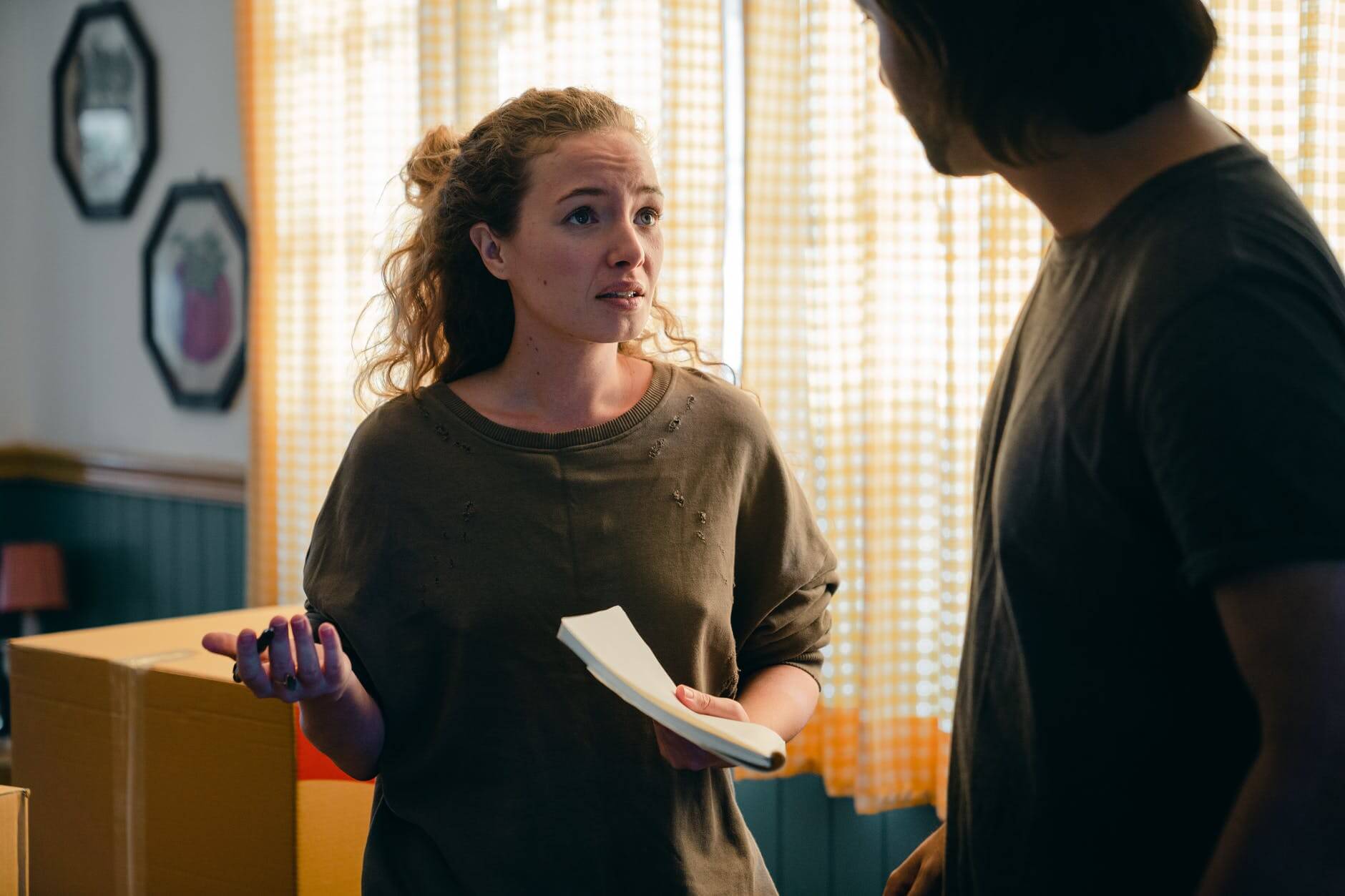
 Walking into a first session with your partner can feel like stepping onto a stage without a script. You might be worried about being blamed, afraid of what your partner will say, or unsure whether you will even know how to answer. If you are searching for a marriage counselor in Newport Beach, one of the first questions on your mind is probably simple: what are they going to ask us?
The honest answer is that a good counselor or relationship coach will ask questions that are both practical and personal. Those questions are not a test. They are a way of understanding your story so the work ahead fits your relationship, not a generic formula. Here is what to expect, why these questions matter, and how to prepare.
Why Marriage Counselors Ask So Many Questions
Every relationship has its own history, rhythms, and wounds. Two couples can describe the same problem, “we just don’t communicate,” and mean completely different things. Questions help uncover what is really happening underneath the surface.
Early conversations usually focus on gathering your history, understanding each partner’s perspective, and clarifying your goals. As Mayo Clinic’s overview of marriage counseling explains, counseling commonly involves both partners talking through the strengths and challenges in their relationship and working toward better ways of relating. The questions are how that work begins.
In my own work with couples, I think of questions as an invitation to be curious instead of defensive. When both partners feel heard, real change becomes possible.
Questions About What Brought You In
Most first sessions start here. Expect questions like:
- “What made you decide to reach out now?” Something often tips a couple from “we should get help someday” to “we need help today.”
- “How would each of you describe the main challenge?” Partners frequently see the problem differently, and both views matter.
- “How long has this been going on?” A recent rupture and a slow drift apart call for different kinds of attention.
- “What have you already tried?” This helps avoid repeating approaches that have not worked.
There is no wrong answer here. If your descriptions do not match, that is useful information, not a sign that one of you is lying or that the relationship is doomed.
Questions About Your Relationship History
Understanding where you have been helps clarify where you are now. You may be asked:
- “How did you meet, and what drew you to each other?” Remembering the beginning can reconnect you with what is worth fighting for.
- “What were the best seasons of your relationship?” Strengths are just as important to understand as struggles.
- “What major life events have you been through together?” Moves, job changes, children, illness, and loss all shape a relationship.
- “When did you first notice things changing?” Pinpointing a turning point can reveal what shifted.
Questions About Communication and Conflict
How you talk to each other, especially when you disagree, is one of the most important areas a counselor will explore.
- “What does a typical disagreement look like?” Who raises the issue, who pulls away, and how does it end?
- “What topics come up again and again?” Money, parenting, intimacy, household responsibilities, and extended family are common.
- “How do you repair after a fight?” Some couples apologize and reconnect quickly, while others go days without resolving anything.
- “Do you feel safe expressing yourself?” Feeling able to speak honestly without fear is essential to the work.
Questions About Trust, Intimacy, and Fidelity
These questions can feel the most vulnerable, but they are often where the deepest healing begins. A counselor or coach may ask:
- “How connected do you feel emotionally right now?” Many couples are not fighting, but they are not truly close either.
- “How would you describe your physical intimacy?” Changes in affection and intimacy often reflect what is happening elsewhere in the relationship.
- “Has there been a breach of trust?” This might include an affair, emotional infidelity, secrecy around money, or broken promises.
- “What would rebuilding trust look like to you?” Each partner usually needs something different to feel safe again.
If infidelity is part of your story, please know that you are not alone and you do not need to carry shame into the room. Affair recovery is the heart of my work. It asks a great deal of both partners, and it requires honesty and real effort, but many couples find a path forward they did not think was possible. My book, The Infidelity Cure, was written for exactly this moment.
Questions About You as Individuals
A relationship is made of two whole people, each with a history. Expect questions about:
- Your family of origin: How did your parents handle conflict, affection, and stress? We often repeat what we learned, or swing hard in the opposite direction.
- Past relationships: Earlier experiences can shape how safe or anxious you feel with your partner today.
- Stress and well-being: Work pressure, health, and personal struggles all affect how much each of you has to give.
- What you need to feel loved: Partners often express and receive love in very different ways.
Some counselors and coaches also meet with each partner individually for part of the process. This gives each person room to share perspectives they may not yet feel ready to say out loud together.
Questions About Your Goals and Commitment
Before the work can move forward, it helps to know where each of you stands. You may be asked:
- “What would a successful outcome look like for you?” Be as specific as you can.
- “How committed are you to working on this relationship?” It is common for partners to arrive with different levels of hope.
- “Are you here to repair the relationship, or to decide whether to stay?” Both are valid reasons to seek help, and clarity about which one you are in shapes the process.
These questions require courage. Loving courageously means being honest about where you are, even when the answer feels uncertain.
A Note on Safety
A counselor or coach will also want to know whether anyone in the relationship feels physically unsafe, threatened, or controlled. If there is abuse in your relationship, couples work is usually not the right first step. Please reach out to a licensed mental health professional or contact the National Domestic Violence Hotline at 1-800-799-7233 for confidential support. If you are in immediate danger, call 911.
How to Prepare for Your First Session
You do not need perfect answers, but a little reflection can help you get more out of your time together.
- Think about why now: Write down what led you to seek help at this moment.
- Name your hopes: Consider what you would like your relationship to feel like six months from now.
- Notice your patterns: Reflect on recent disagreements and what tends to happen in them.
- Come with curiosity: Try to listen to your partner’s answers as new information rather than an attack.
- Be honest, even when it’s hard: The more truthful you are, the more useful the work can be.
- Bring your own questions: Ask about the process, how sessions work, and what to expect next.
How My Approach Is Different
My work is coaching, which is a departure from traditional therapy or marriage counseling. Rather than focusing primarily on diagnosing problems, I work collaboratively with couples and individuals to understand what is driving the disconnection and build a practical path toward healing and reconnection. I aim to be kind, compassionate, and direct, so you will always know where we are and where we are headed.
I work with couples at many stages, including premarital preparation, marriage and couples coaching, infidelity and affair recovery, and family dynamics. I also work with individuals who want to understand their part in a relationship or rebuild after a divorce or breakup.
Coaching is not a substitute for licensed mental health care. If you or your partner are facing a serious mental health concern, coaching can sometimes work alongside licensed treatment, and I will always encourage you to get the care you need.
Take the First Step Toward Reconnection
The questions in that first session are not meant to judge you. They are the beginning of a conversation that can help you understand each other more deeply and decide, together, what comes next. Healing takes time and real effort, but you do not have to figure it out alone.
If you are looking for a marriage counselor or relationship coach in Newport Beach, I would be honored to talk with you. Call (949) 244-3310 or visit drjeannemichele.com to schedule a confidential consultation.
Frequently Asked Questions
Will the counselor take sides?
A skilled counselor or coach should not take sides. The goal is to understand both partners and focus on the relationship as a whole. There may be moments when one person feels more challenged than the other, but that is about the work, not about blame.
Do both partners have to attend?
It helps when both partners participate, but it is not always required. If your partner is not ready, individual sessions can still help you understand your patterns, clarify what you want, and show up differently in the relationship.
What if we give different answers to the same questions?
That is completely normal. Different answers show how each of you experiences the relationship, and understanding those differences is often where meaningful change starts.
How long does marriage counseling or coaching take?
It depends on your goals, the challenges you are facing, and how much effort each partner brings. Some couples come for a focused period around a specific issue, while recovery from something like infidelity usually takes longer. We will talk about what makes sense for you during your consultation.